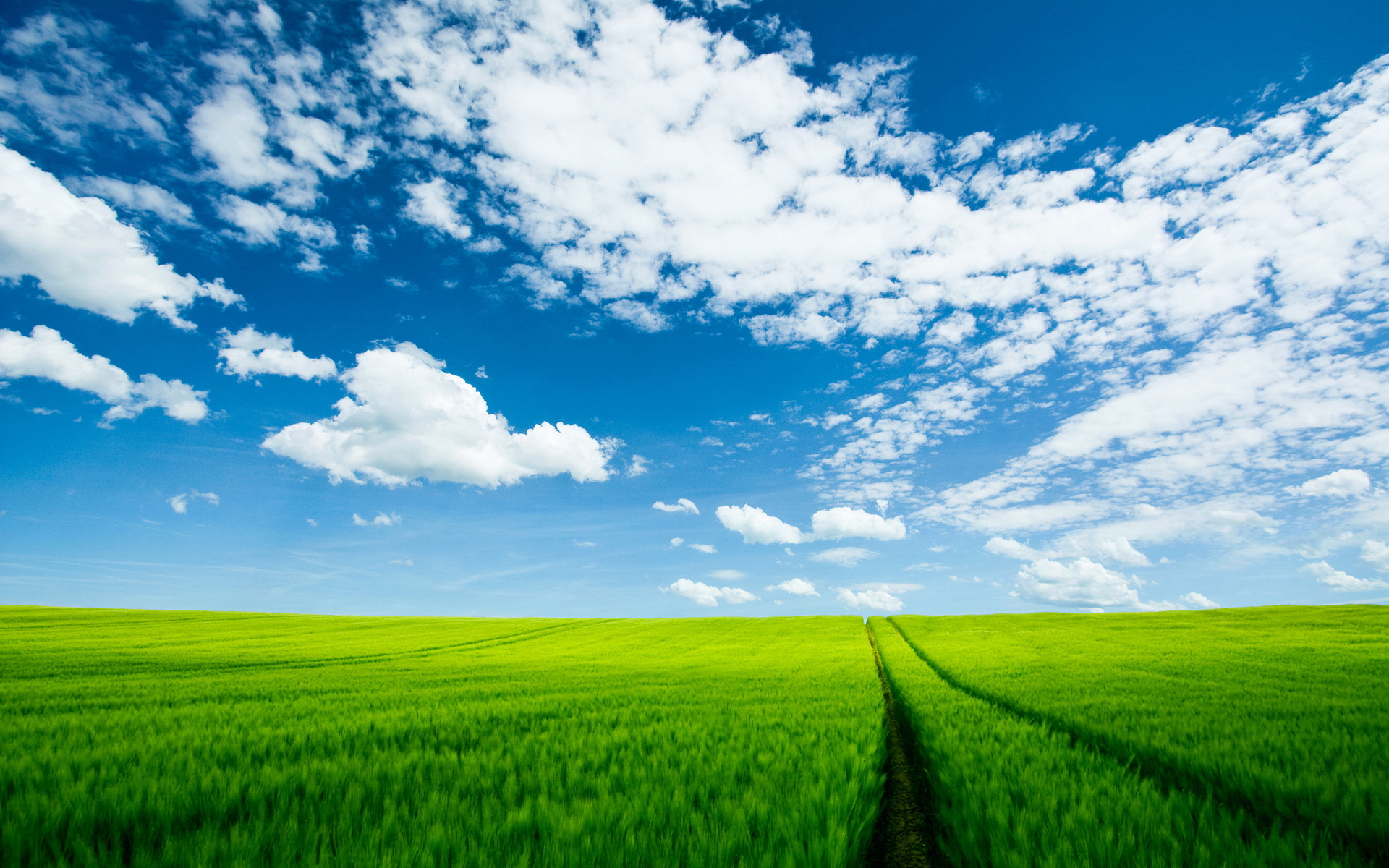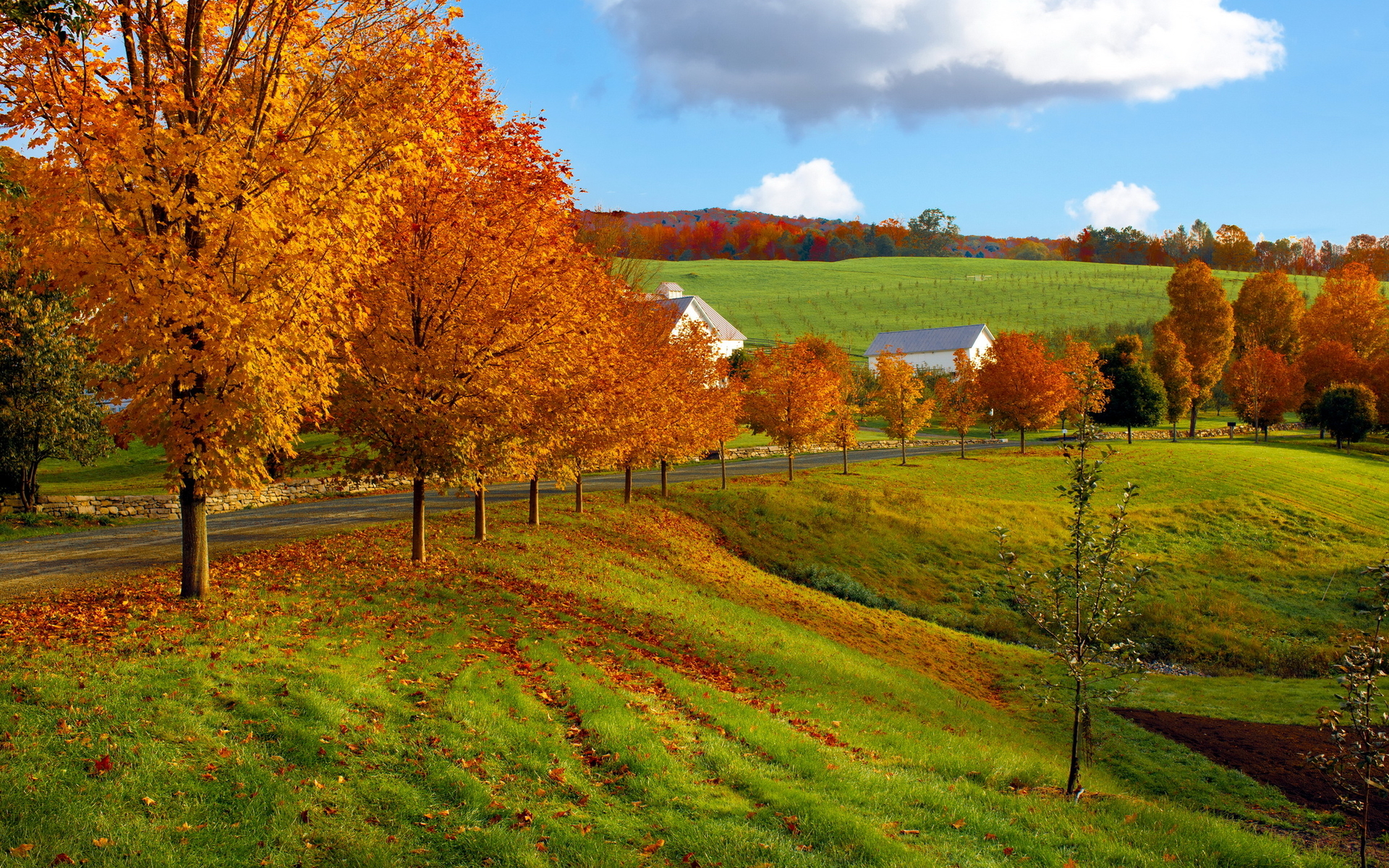


Autumn和fall傻傻分不清晰?区别原本在这里
学英语的人寻常都晓得,秋日有autumn和fall两种说法,只不外英国人寻常把秋日叫作autumn,而美国人在指代秋日的时分常常会用另一个说法:fall(落下)。有的人以为autumn是传统说法,而fall是古代别称,但是fall的汗青比autumn还要久长。
September 23, 2019, marks the start of a new season—but what exactly you should call that season depends on where in the world you are and whom you ask.
2019年9月23日(秋分)标志着新季候的开头,但是你应该怎样称呼这个季候取决于你在天下上的哪个场合以及你问的是哪国人。
In Great Britain, the third season of the year usually has only one name: autumn.
在英国,一年的第三个季候通常都仅有一个名字:autumn。
But if you hop across the Atlantic, you’ll find that people use both fall and autumn interchangeably when referring to this time of year, making it the only season in the English language with two widely accepted names.
但假如你超过大西洋,你会发觉人们瓜代使用fall和autumn来指代秋日,于是秋日便成了英语中唯逐一个拥有两个广为承受的名字的季候。
那么是什么让这个季候云云特别呢?
According to Dictionary.com, fall isn’t a modern nickname that followed the more traditional autumn. The two terms are actually first recorded within a few hundred years of each other.
依据辞书网站Dictionary.com,fall并不是秋日的传统说法autumn的古代别称。这两个说法最早的纪录相距时间不到几百年。
Before either word emerged in the lexicon, the season between summer and winter was known as harvest, or h?rfest in Old English.
在这两个词显现之前,炎天和冬天之间的这个季候在英语中被称为harvest,古英语是h?rfest。
The word is of Germanic stock and meant “picking,” “plucking,” or “reaping,” a nod to the act of gathering and preserving crops before winter.
该词源于日耳曼语,意思是“采摘”或“收割”,指的是在冬天之前搜集和储存粮食。
In the 1500s, English speakers began referring to the seasons separating the cold and warm months as either the fall of the leaf or spring of the leaf, or fall and spring for short.
在16世纪,以英语为母语的人开头用树叶的落下(简称fall)或生长(简称spring)来指代寒热两季之间的几个月。
Both terms were simple and evocative, but for some reason, only spring had staying power in Britain. By the end of the 1600s, autumn, from the French word autompne and the Latin autumnus, had overtaken fall as the standard British term for the third season.
两个词都是既简便又外貌,但是出于某种缘故,仅有spring在英国传播了下去。到了17世纪末,源自法语autompne和拉丁语autumnus的autumn代替fall成为指代第三个季候的标准英国用词。
evocative[?’vɑk?t?v]:唤起追念的;惹起共鸣的
Around the same time England adopted autumn, the first-ever British American colonists were voyaging to North America.
约莫在英格兰人接纳autumn来指代秋日的同一时间,第一批去美国的英国殖民者开头漂洋过海到了北美。
With them they brought the words fall and autumn, and while the former fell out of fashion overseas, it solidified itself in the local vernacular by the time America won its independence.
他们将fall和autumn带到了北美大陆,只管前者fall在大洋对岸以前不再盛行,但是它却在美国取得独立之前在就地合言中站稳了脚跟。
Today, using both words to describe the season before winter is still a uniquely American behavior.
如今,用两个词来指代冬天之前的这个季候仍旧是美国独占的做法。
这下你弄明白autumn和fall之间的干系了吗?
编纂:陈丹妮
英文泉源:Mental Floss
声明:转载此文是出于转达更多信息之目标。如有泉源标注错误或侵占了您的合法权益,请作者持权属证实与本网接洽,我们将及时改正、删除,谢谢。